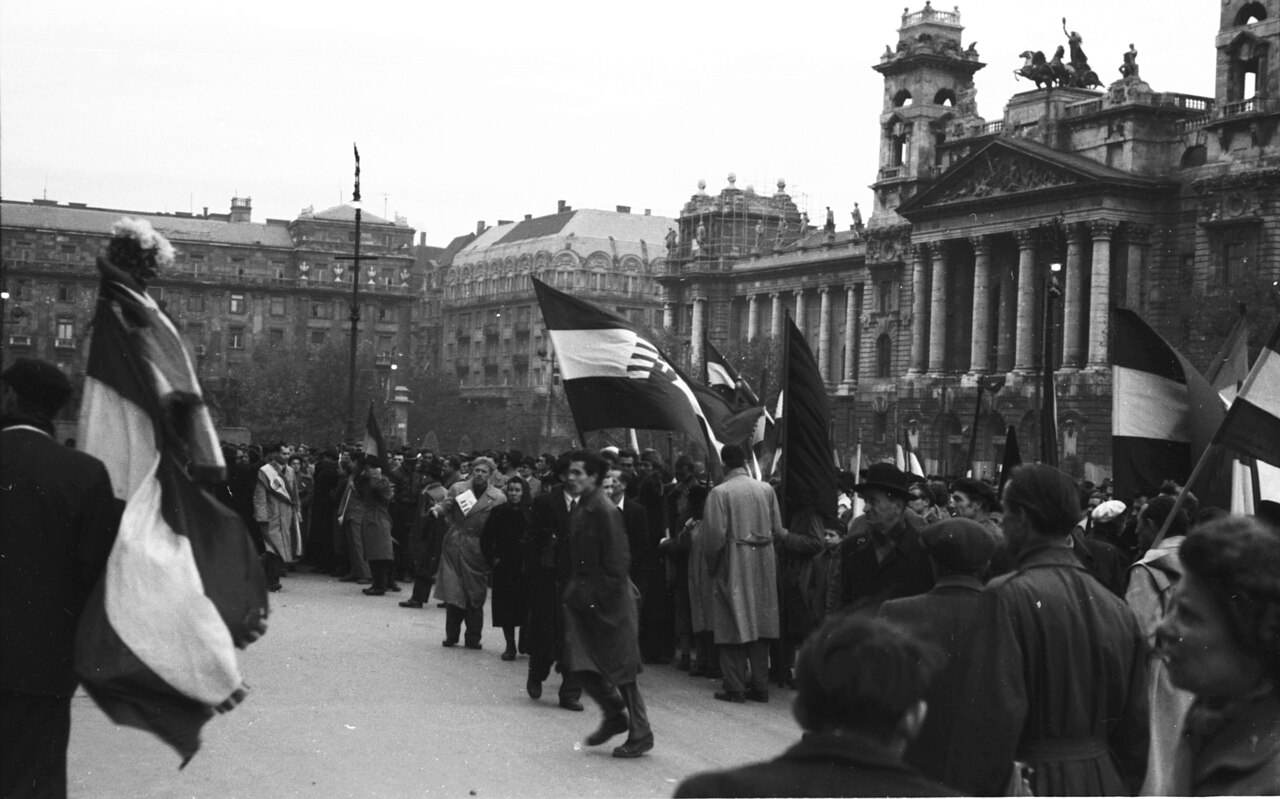
In October 2026, Budapest commemorates the 70th anniversary of the Hungarian Revolution of 1956, one of the most defining moments in Hungary’s modern history. Seventy years ago, the streets of the Hungarian capital became the stage for an extraordinary struggle for freedom, independence, and democracy.
Today, Budapest is not only a city of magnificent architecture, thermal baths, and vibrant cultural life. It is also a living history book, where squares, monuments, and ordinary streets tell remarkable stories of courage and resistance.
For visitors interested in European history, the Cold War, or simply discovering a deeper side of the Hungarian capital, the anniversary offers a unique opportunity to explore Budapest’s most important historical landmarks.
October 23, 1956: The Day That Changed Hungary
On October 23, 1956, thousands of university students and citizens gathered in Budapest to demand political reforms, national independence, and an end to Soviet domination.
What began as a peaceful demonstration quickly developed into a nationwide revolution. Protesters marched through the city, crowds gathered outside the Hungarian Parliament, and the massive statue of Joseph Stalin was pulled down.
One of the revolution’s most recognizable symbols was born when protesters cut the communist emblem from the center of the Hungarian flag, leaving a hole in the red, white, and green tricolor.
Although Soviet military intervention eventually crushed the uprising in November, the revolution became an international symbol of resistance against oppression.
October 23 is now a national holiday in Hungary, commemorating the revolution and the courage of those who fought for freedom.
Where to Discover the History of the 1956 Revolution in Budapest
Many of the locations that witnessed the dramatic events of 1956 can still be visited today. Exploring these places provides a fascinating perspective on Budapest beyond its traditional tourist attractions.
1. Kossuth Square and the Hungarian Parliament
Kossuth Square, home to the magnificent Hungarian Parliament Building, was one of the central locations of the revolution.
On October 23, enormous crowds gathered here to demand political change. Two days later, on October 25, the square became the scene of one of the revolution’s most tragic events, when gunfire killed and injured numerous demonstrators.
Today, visitors can explore the beautifully restored square, discover memorials dedicated to the victims, and visit the underground In Memoriam 1956 exhibition, which recalls the events of October 25.
The contrast between the peaceful surroundings and the square’s dramatic history makes this one of Budapest’s most moving historical destinations.
2. Bem Square – Where Polish Solidarity Helped Spark the Revolution
One of the most fascinating aspects of the 1956 Hungarian Revolution is that it began, in part, as a demonstration of solidarity with the Polish people.
On October 23, Hungarian university students organized a peaceful march to express their support for political reforms in Poland, while also demanding freedom and democratic change in their own country.
Thousands gathered at Bem Square, around the statue of General Józef Bem, a Polish-born hero who had fought for Hungarian independence during the Revolution of 1848–49. The choice of location was no coincidence: Bem symbolized the long-standing friendship between the Hungarian and Polish nations.
What began as a peaceful demonstration of solidarity soon grew into something much greater. As crowds swelled across Budapest, demands for national independence and political freedom intensified, and by that evening, the protests had escalated into a revolution.
Today, Bem Square remains a powerful symbol of how the shared history and solidarity of two nations helped shape one of the most important uprisings of the Cold War.
3. Corvin Passage – The Heart of Armed Resistance
While Budapest’s grand squares witnessed mass demonstrations, some of the revolution’s fiercest battles took place in its smaller streets.
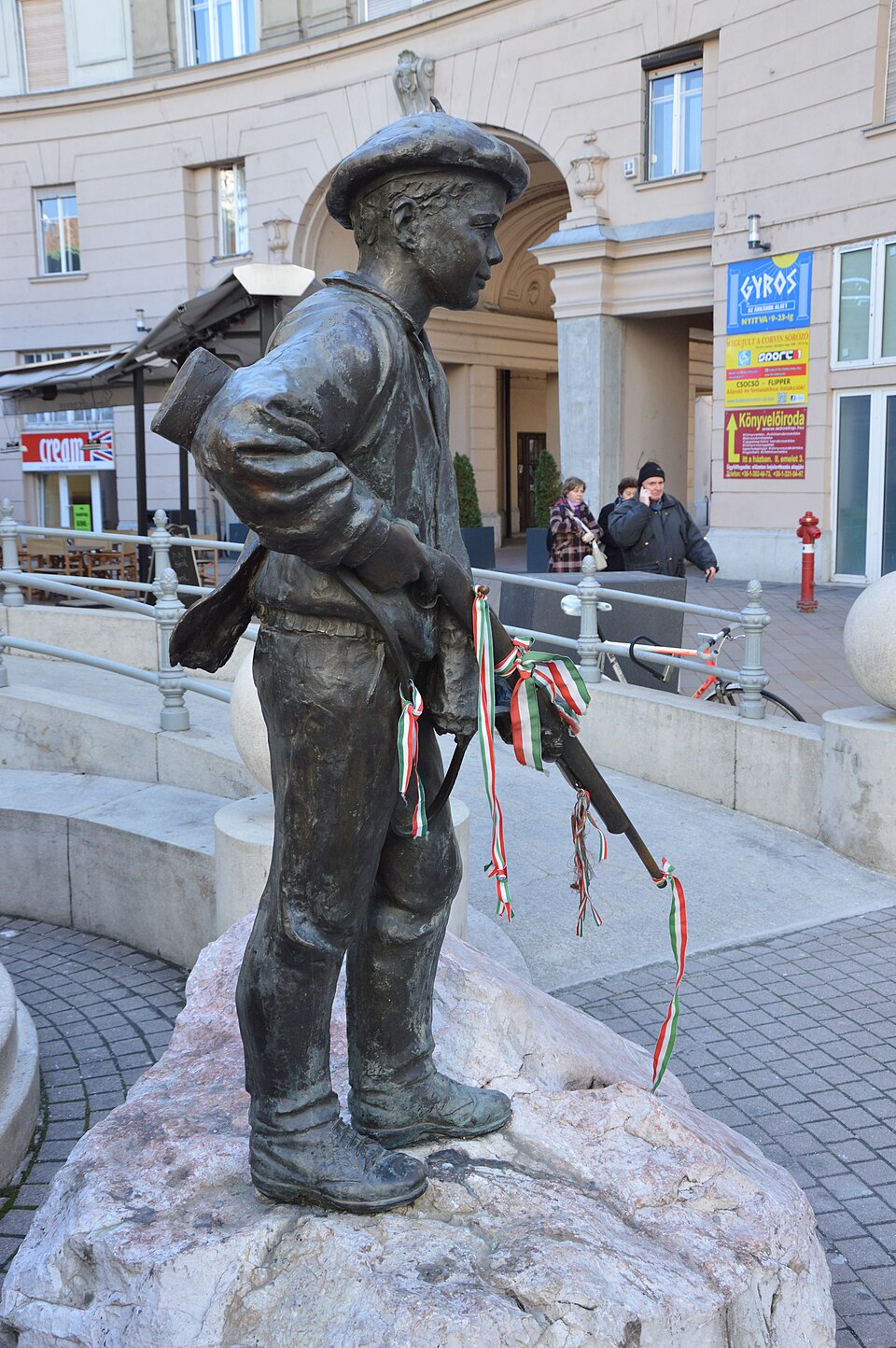
Corvin Passage (Corvin köz) became one of the most important centers of armed resistance against Soviet forces.
Young revolutionaries, many of them workers and students, used the surrounding buildings and narrow streets to defend their positions against Soviet tanks.
The area still preserves the memory of these freedom fighters through monuments and commemorative plaques. The historic Corvin Cinema also remains a recognizable landmark.
Walking through Corvin Passage today provides a powerful reminder that some of the most significant events in European history unfolded in ordinary urban neighborhoods.
Experience Budapest Beyond the Guidebooks
Budapest’s history becomes even more fascinating when you explore the city itself.
From monumental squares and elegant boulevards to hidden courtyards and historic neighborhoods, every part of the Hungarian capital has a story to tell.
Whether you’re visiting Budapest for the first time or returning to discover something new, exploring the city with local insight can transform an ordinary sightseeing trip into a memorable cultural experience.
Discover Budapest with Budtours!
Explore the city’s iconic landmarks, fascinating neighborhoods, and remarkable heritage with Budtours. Find inspiration for your Budapest adventure and discover the Hungarian capital from a different perspective.
Explore Budapest with Budtours
More Places Connected to the Hungarian Revolution of 1956
4. The House of Terror Museum – Understanding Hungary’s Darkest Decades
For visitors who want to understand the political circumstances behind the revolution, the House of Terror Museum is an essential stop.
Located at 60 Andrássy Avenue, the museum explores the history of Hungary under the fascist and communist dictatorships of the twentieth century.
The building itself was used by political organizations associated with both regimes, making it a historically significant location.
Its exhibitions help visitors understand the repression, surveillance, and political persecution that shaped Hungarian society before and after 1956.
A visit offers valuable context for understanding why the revolution erupted and why its memory remains so important today.
5. The Former Hungarian Radio Headquarters – Where Protests Turned into Fighting
The area around Bródy Sándor Street played a decisive role during the first night of the revolution.
On October 23, demonstrators gathered outside the Hungarian Radio headquarters, demanding that their political demands be broadcast.
Tensions escalated, and armed clashes broke out, marking a turning point from peaceful protest to violent confrontation.
Today, visitors can walk through the surrounding streets of Budapest’s Palace District, where the historic urban environment offers a striking connection to the events of 1956.
6. City Park – The Fall of Stalin’s Statue
One of the revolution’s most famous images shows the destruction of the enormous statue of Joseph Stalin.
On October 23, protesters toppled the monument, leaving only its boots standing on the pedestal.
The event became a powerful symbol of the rejection of Soviet-imposed dictatorship.
Today, visitors can explore the area near City Park where the statue once stood and discover the nearby 1956 Revolution Memorial, whose dramatic design commemorates the uprising.
The surrounding City Park also offers an opportunity to combine historical sightseeing with a relaxing walk through one of Budapest’s most popular green spaces.
The 70th Anniversary in 2026: A Special Time to Visit Budapest
The year 2026 marks seven decades since the Hungarian Revolution, giving visitors an especially meaningful reason to explore Budapest’s history.
The city is commemorating the anniversary through cultural programs, exhibitions, and public remembrance projects.
One particularly interesting initiative is “1956 – It Happened Here”, which places historical photographs back into the urban locations where they were originally taken.
Between October 15 and November 4, 2026, the project presents 70 photographs at 70 locations across Budapest, allowing visitors to compare the streets of revolutionary Budapest with the city of today.
This creates a remarkable opportunity to experience history in the very places where it happened.
Visitors traveling around October 23 may also encounter commemorative ceremonies and special cultural events. As October 23 is a national holiday, museum opening hours and access to certain public spaces may differ from normal schedules.
Why Exploring the 1956 Revolution Makes Your Budapest Visit More Meaningful
Budapest is famous for its stunning Parliament Building, the Chain Bridge, Buda Castle, and its historic thermal baths.
But the city’s appeal goes far beyond its beautiful architecture.
Understanding the events of 1956 reveals another dimension of Budapest: a city shaped by extraordinary courage, political struggles, and the determination of ordinary people to change their future.
Exploring the revolution’s historic locations allows visitors to:
- Discover an important chapter of European and Cold War history.
- Experience authentic historical sites rather than learning about events only in museums.
- Understand the deeper significance of Budapest’s streets, squares, and monuments.
- Combine cultural discovery with sightseeing in some of the city’s most interesting neighborhoods.
From the Parliament to Corvin Passage, the legacy of the revolution remains part of Budapest’s identity.
Frequently Asked Questions About the 1956 Hungarian Revolution in Budapest
When did the Hungarian Revolution begin?
The revolution began on October 23, 1956, with student-led demonstrations in Budapest. It developed into a nationwide uprising against communist rule and Soviet domination.
Why is October 23 important in Hungary?
October 23 is a Hungarian national holiday commemorating the 1956 Revolution. It is also associated with the proclamation of the Republic of Hungary on October 23, 1989.
Where can tourists see sites connected to the 1956 Revolution?
Some of the most important locations include Kossuth Square, Bem Square, Corvin Passage, the former Hungarian Radio headquarters, and the 1956 Revolution Memorial near City Park.
Can you explore the 1956 Revolution sites on foot?
Yes. Many significant locations in central Budapest can be visited on foot, although the sites are spread across several neighborhoods. Public transportation is useful for connecting more distant landmarks.
Is October 2026 a good time to visit Budapest?
Yes. The 70th anniversary adds a special historical and cultural dimension to an autumn visit. Budapest also offers beautiful seasonal scenery, museums, architecture, and plenty of opportunities for sightseeing.
Discover the Stories Behind Budapest with Budtours
Seventy years after the Hungarian Revolution, Budapest continues to preserve the memory of those who stood up for freedom.
The city’s historic streets and monuments are more than sightseeing destinations. They are reminders of the events that shaped Hungary and influenced European history.
Whether you’re fascinated by the Cold War, interested in Hungarian culture, or simply looking for a more meaningful way to experience the capital, Budapest offers an unforgettable journey through the past.
Make your Budapest visit more than just sightseeing.
Discover iconic attractions, explore fascinating neighborhoods, and experience the unique atmosphere of Hungary’s capital with Budtours.


